
Cobodoc is developing robotic assistance technologies intended to support controlled instrument positioning, ergonomic workflows, and clinician-supervised procedures in complex anatomical environments.
Tumor detection
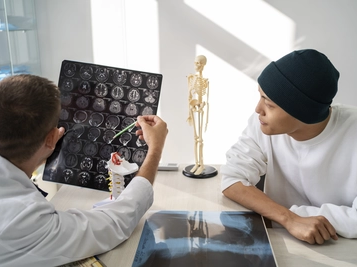
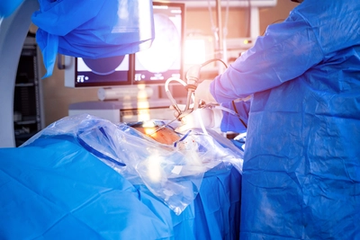
Many minimally invasive procedures remain challenging when anatomical targets are small, difficult to localize, or located in complex soft-tissue environments. Conventional workflows may require repeated imaging, manual adjustments, and careful coordination between clinicians, instruments, and visualization systems.
Key issue: instrument positioning in complex anatomical environments
Certain minimally invasive procedures remain technically demanding because they require coordinated use of instruments, imaging, and clinical judgment in complex anatomical environments.
Many procedures depend on the coordination of anatomical information, visualization tools, and clinical instruments.
Instrument positioning may remain challenging when anatomical conditions evolve during a procedure.
Manual positioning and conventional robotic workflows may remain challenging in procedures involving small, mobile, or difficult-to-localize anatomical targets.
Advanced image-guided workflows may improve procedural planning, but they can also introduce operational complexity and cost
Meeting the challenge of minimally invasive instrument positioning

Cobodoc™ surgical cobotics system
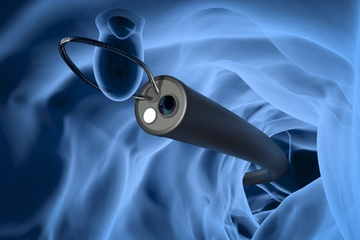
Cobodoc was created to develop collaborative robotic assistance technologies that may support future minimally invasive treatment planning and clinician-supervised instrument positioning in challenging anatomical environments.
For important safety information, including surgical risks, indications and considerations, please also refer to our Terms of Use.