
Clinical applications
Fields of application
Where precise, stable instrument positioning matters most. Our instruments serve neurosurgery today; the platform’s future applications are being explored with clinicians.

Today and tomorrow
Neurosurgery
Functional and pediatric neurosurgery were pioneering specialties for surgical robotics, where robotic assistance helps simplify demanding steps.
Cobodoc already addresses cranial access and fixation with VitalDrill® and VitalFlap®. Over time, we aim to evaluate how these instruments and new software features – including augmented-reality guidance – could integrate into clinician-supervised robotic workflows.

The origin of Cobodoc
Focal tumor treatment
Minimally invasive focal therapies such as cryotherapy or thermal ablation depend on placing a probe exactly in a small target that moves with breathing. Lack of precision is a key reason for unpredictable results.
Tracking and treating moving visceral targets – for example kidney tumors – is the challenge that gave birth to Cobodoc, with the aim of limiting treatment diameter and reducing risks for the patient.
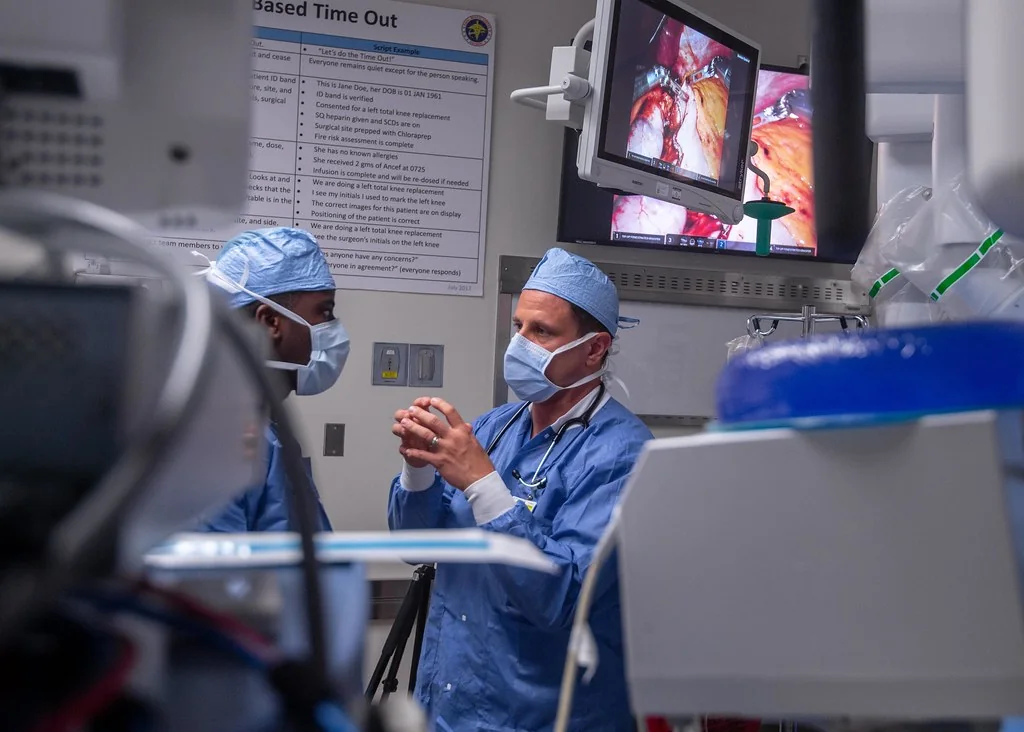
Orthopedics & spine
Bone & spine surgery
Robotic assistance in orthopedic and spine surgery aims to improve precision in complex cases where minimal invasiveness is crucial, such as osteosynthesis.
Our objective is to remain compatible with a wide range of implants regardless of the manufacturer, so surgeons can choose the best procedure and implant for each patient, while limiting the need for intra-operative CT.
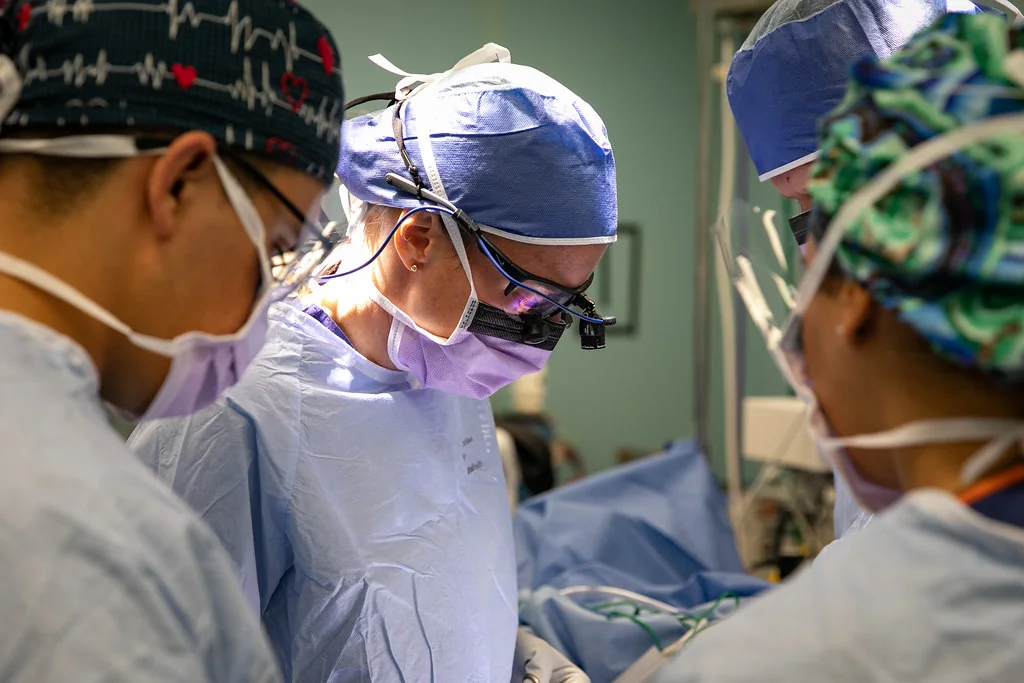
Confined anatomy
Ear, nose & throat
Robot-assisted surgery is advancing ENT procedures, in particular endobuccal surgery and cochlear implant placement to improve hearing.
We aim for compatibility with most cochlear implants, regardless of manufacturer, with the goal of improving precision near sensitive structures such as the facial nerve.
Access to care
Advanced surgery, beyond the largest centres
Heavy imaging-based systems are costly and concentrated in a few hospitals. A compact, modular and collaborative approach could help bring precise minimally invasive techniques to more facilities – a long-term goal that guides our design choices.
Healthcare facilities
Designed with footprint, mobility and workflow integration in mind.
Surgical teams
Ergonomics and procedural consistency to support the whole team.
Patients
The ultimate goal: less invasive, more precise treatments.
Regulatory notice. Cobodoc’s robotic assistance platform is under development and is not commercially available. Future clinical use, indications, performance characteristics and benefits remain subject to development, validation, clinical evaluation and regulatory clearance.